Return to Cynon Taf website

Search

Find out more about our improvements, our contractors, the technologies and what to expect

About
Our contractors

Cynon Taf is partnering with Evolve, accredited experts in home energy efficiency.

Find out more
The Improvements

Learn about the different upgrade technologies we may install in your home.

Find out more
What to expect

We’ll let you know well in advance before any work starts.

Find out more

Smart Heating

Guides

What is smart heating?

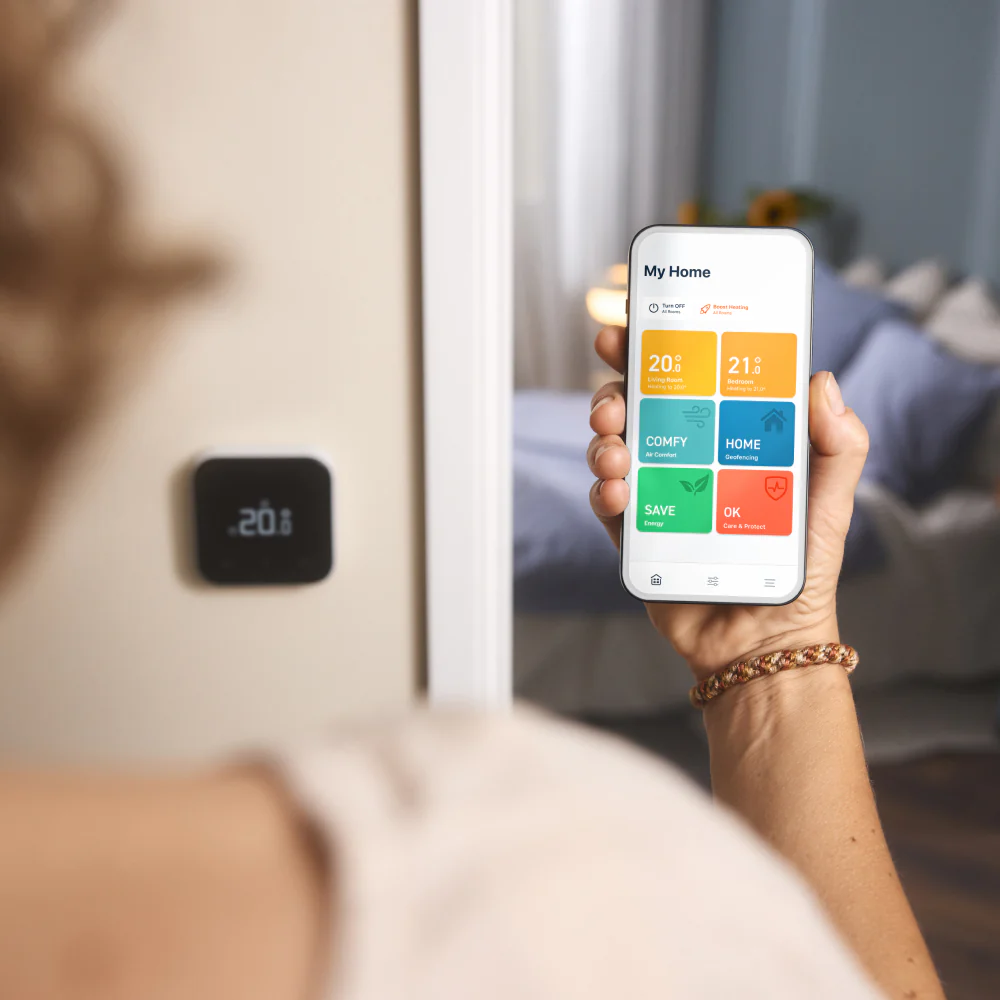
Smart heating is a heating control system that connects a home’s heating to the internet, allowing for remote control, automation, and enhanced efficiency via a smartphone app, web interface, or voice commands. It uses smart technology to adjust heating based on real-time factors like occupancy, weather, and user preferences, which helps in saving energy and money.

Key Components

A smart heating system typically comprises several interconnected devices:

  • Smart Thermostat: This acts as the central control unit, replacing the traditional thermostat. It communicates with the boiler and the internet, and can be programmed and operated remotely on a smart phone/tablet or computer.
  • Smart Radiator Valves (TRVs): These optional components are installed on individual radiators to provide room-by-room or “zonal” heating control, allowing different rooms to be heated to different temperatures at different times.
  • Boiler Controller/Receiver: This unit is wired to the boiler and communicates wirelessly with the smart thermostat and hub to turn the heating system on or off.
  • Internet Bridge/Hub: A central hub is often required to connect the various smart heating components to the home’s Wi-Fi router, enabling seamless communication and remote access.
  • Sensors: Many systems use temperature, humidity, or motion sensors to gather real-time data about the home environment, which informs heating adjustments.

Key Features and Functionality

  • Remote Control: Users can adjust temperature settings, turn the heating on or off, and set schedules from anywhere in the world using a smartphone app.
  • Learning Capabilities: Smart heating systems use algorithms to learn from user habits and preferences over time, automatically creating an optimized heating schedule.
  • Geofencing: This feature uses the smartphone’s location to automatically turn the heating down when the last person leaves the house and back on when someone is on their way home, ensuring comfort without wasting energy.
  • Zonal Control: This allows for independent temperature management in different areas or rooms of the home, which is particularly beneficial in larger properties where some rooms are unoccupied.
  • Weather Responsiveness: Smart heating systems can use online weather data to adjust the heating proactively. For example, they might turn the heat down on a sunny day or start heating earlier if a cold snap is forecast.
  • Energy Reports: The accompanying apps often provide detailed reports and insights into energy usage patterns, helping users understand their consumption and identify opportunities for further savings.
  • Smart Home Integration: Most systems are compatible with popular voice assistants like Amazon Alexa and Google Assistant, enabling hands-free control.

Benefits

  • Energy Efficiency: By heating only when and where needed, smart heating significantly reduces energy wastage, which lowers consumption.
    Cost Savings: Reduced energy consumption directly translates to lower utility bills, with potential savings of up to 20% or more depending on usage habits.
  • Enhanced Comfort and Convenience: Users can return to a warm home without having left the heating on all day, and can adjust settings from the comfort of their bed or while on holiday.
  • Environmental Impact: Lower energy consumption means fewer greenhouse gas emissions, contributing to a reduced carbon footprint.